
Slow Mail: Why I Left Facebook and What I’m Choosing Instead
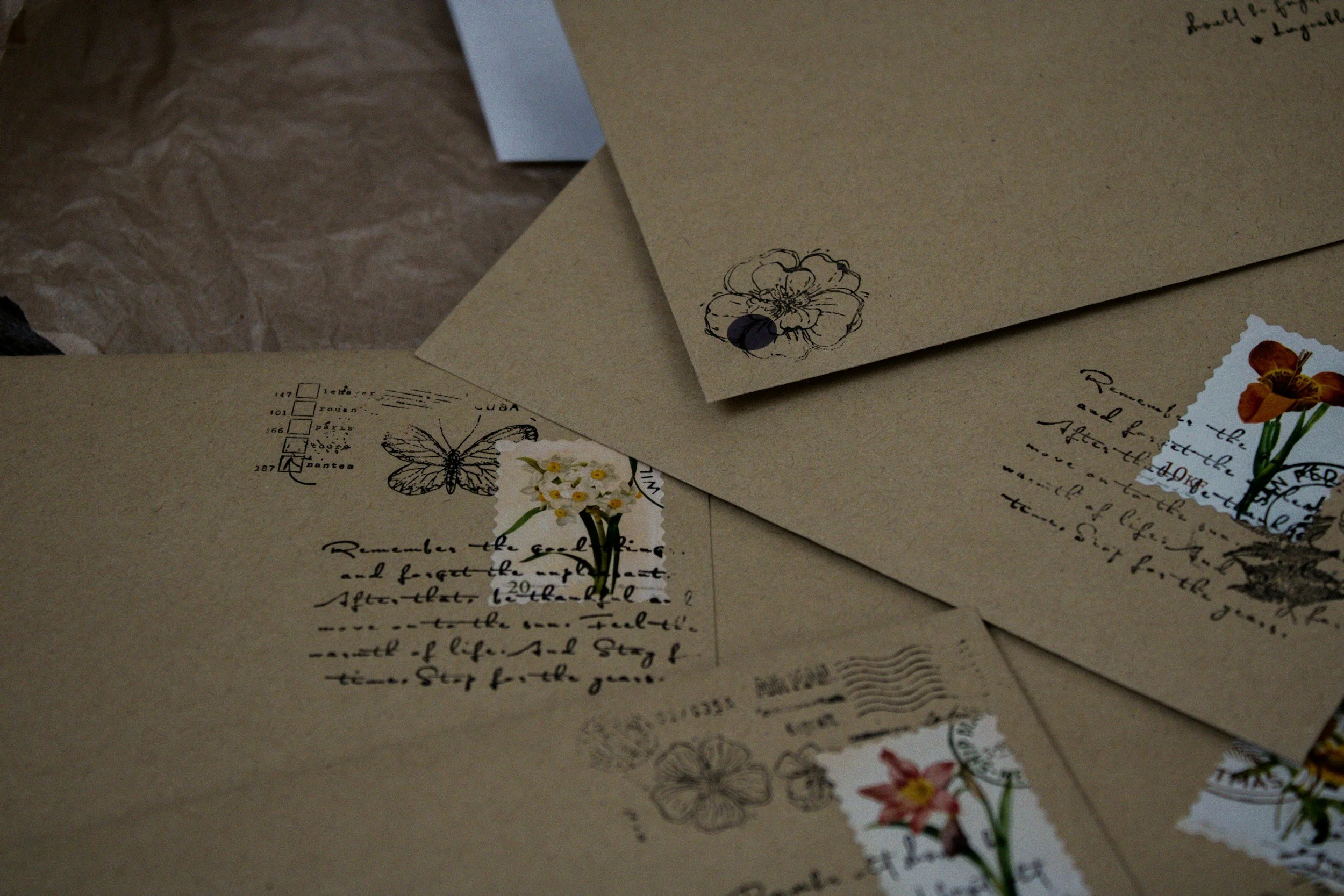
“Your dad went golfing today. The weather was unseasonably warm; it’s probably the last round of the year. I visited East View Lodge and saw your grandmother. I took her out for lunch and a little drive so she could enjoy the changing leaves. It won’t be long until we’ll be pulling out the winter clothes. I suppose you’ve been busy with that huge garden of yours.”
Letter writing. Back in the days before the internet of things, we used to write letters to each other. I still have some that I kept from my mom and my grandmother, both long since passed. Their handwritten notes, with their unique cursive writing, is a gateway back into their lives and mine.
They were moments in time, but who writes letters now? Almost no one. Email and messaging have taken over the correspondence we have with each other. Convenient, sure. And that change came gradually, until it became the rule, rather than the exception. But I’m wondering about the unintended loss, when we choose social media platforms, their algorithms and their promised connections, over more thoughtful and slow methods.
Technology has been the big change maker in how we live and work, and there’s no question that many of those changes have made our lives easier. However, technology has also added a level of complexity and pressures, that we weren’t prepared for, and that is now challenging us to make multiple decisions in and out of work.
Choosing to Whom and Where We Show Up
“The time one has to spend on social media amidst all the BS for near zero pay off is far too consuming and tiring and soul sucking. I’d rather develop real relationships.” Nathalie Bertin
This comment came as a reply to a post I’d made within a group for writers and authors. Specifically, I’d noted that after seeing several successful writers on Substack share how their writing is frequently shamelessly plagiarized, I was re-considering my presence there. When did disregard for the work of others become the norm, rather than the exception?
Knowing the time and effort to create a piece of work that is worthy of someone taking the time to read it, I couldn’t fathom how this could become such a rampant problem. But it is and as I look for new ways to get my writing in front of new people, I realized that I had some decisions to make. Exactly where did I want my writing to be found outside of my own site and what kind of people would I most like to have read it?
Recently, that led me to the decision to delete my Facebook account. It wasn’t a speedy decision, given the number of years and connections I’d made there, but over time I was posting less and was tired of the ads, not to mention my feelings about how Meta runs its business model. Despite being on the platform for 16 years, it no longer felt like a good place to be. It didn’t fit my values system, and the cons outweighed the pros.
Post Facebook Breakup
Do I miss Facebook? Not really. I’m finding that without it, I’m more inclined to pick up one of the non-fiction books I have on the go or arrange for in-person get togethers and of course spend more time writing. Which might also extend in that letter writing I gave up years ago, since I love the idea of a slower way of connecting with those folks closest to me.
I realize that “breaking up” with a platform in which you’ve spent years can be challenging, but there are alternatives. When I was in the deliberating phase about Facebook, I began as a beta tester for a new Canadian social media platform. I’ve been there for about 8 months, and it has an entirely different vibe and operating method. It’s called Gander and it’s where I found Ms. Bertin, a Metis creative in northern Ontario. It’s open to non-Canadians if you’re interested in checking it out, and no this is not an affiliate link, lol.
Our time is precious and so is our attention. The days of letter writing may be over, but our options of who and how we connect with others and how we spend our time, is still up to us. Unwinding yourself from the pressures of technology algorithms and finding ways to be present in the ways that are most meaningful to you, may be the biggest and best decision you’ll make for your overall happiness. I know that my life has improved with the changes.
I do appreciate you taking the time to read my thoughts, and if you’ve made any changes to how you’re connecting with folks, professionally or personally, drop a comment. I’m interested in what you have to say. (And if you’re not a subscriber yet, and have the capacity, please subscribe, I’d love to have you here.)
It’s Time to Reclaim the Age of Information from the Age of Opinion
Opinions abound on social media, but often with limited understanding of the topic. When’s the last time you heard, or said, “ I don’t know enough to comment”? Here are some thoughts about what you can do to change that.
Why admitting you don’t know enough to comment earns my respect
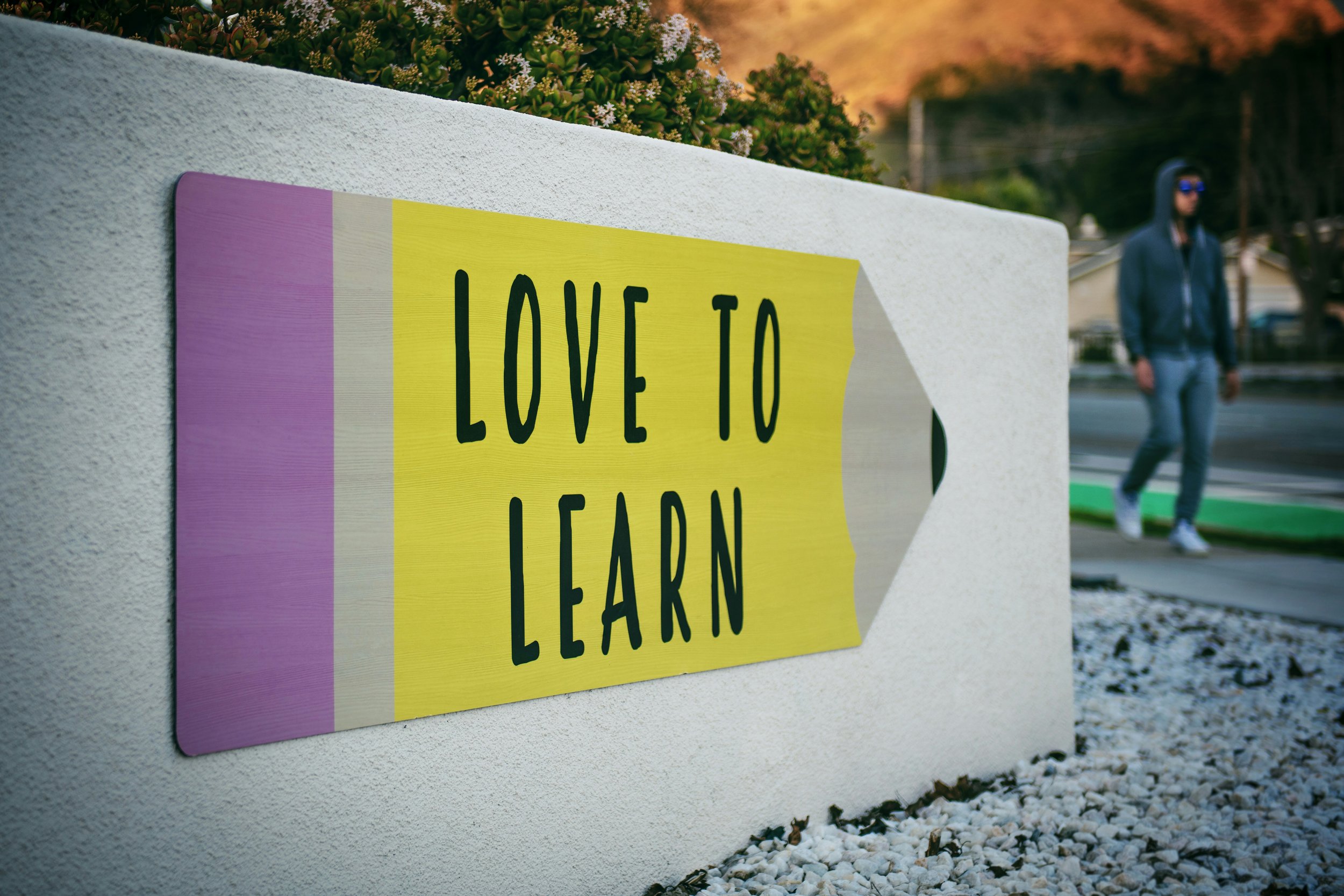
Sign in the shape of a pencil. Photo by Tim Mossholder on Unsplash
You know what I respect? I respect the people who, when asked for their thoughts about something, tell me they don’t know enough to comment. Isn’t that refreshing? I think so.
There’s so much going on and so much coming at us through multiple channels that it can feel like you might have a grasp as to what’s happening. Except, how much of that is through headlines or memes? There’s a lot of that “out there”, and easy to forget that we haven’t really done enough information gathering to have formulated an opinion based on facts.
The bombardment of information, or at least sound bites of information, can put a topic in front of us repeatedly, without a lot of background. I think that’s why I respected that comment above so much. It shows a level of self-awareness and regard for the person they’re speaking with to simply say, I don’t know.
Combating the Age of Opinion
At one time, this period was called “the information age”. I think these days, it could just as easily be called the “age of misinformation”, or even the “age of opinion, without benefit of facts”. Personally, I’d rather spend more time in the former than the latter. Doing that, though, will take dedicated time so I can dig into at least some of the topics claiming my attention.
My social feeds are filled with the Canadian sentiment about what’s been occurring between us and the US. Taking the time to better understand these changes has led me to some books that should help me in that direction. These include books written by two Americans who now live in Toronto. (see below for the titles).
While I’d never describe myself as “political”, the current change in the relationship between two countries that I thought were solid begs my understanding of the shift.
Beyond that, there are other topics that I’m still trying to learn about.
From AI to homelessness, the Palestinian situation, and the “weaponization” of certain words. I’ve decided that not knowing enough and choosing to stay that way is a disservice to the community, the country, and the world I live in. It’s easy to live my life as it exists, but will it be that way forever? I think not.
Self-directed learning helps your decision-making
Several years ago, I conducted interviews for a Self-Leadership Summit I organized. The sentiment was that “leaders are readers”. That’s certainly been my experience over the years and one of the reasons that I feel sharing what’s on my bookshelf is important.
Continued learning isn’t just a leadership necessity; it’s a civic responsibility. What do you stand for, and what decisions will you make based on having a better understanding of this ever more complex world?
Reading is just one avenue to your learning. Involvement in your community, connecting with folks with different lived experiences and perspectives, will all help you on the path to better understanding. So too will staying open to learning new things, cultivating your curiosity, and taking the time to build self-awareness when confronted with a subject that “pushes your buttons”. And there will be some subjects that stir you up more than others due to your experiences.
For instance, someone who has had furniture stolen from their yard, only to be found in a homeless encampment, may have quite different feelings than someone searching for a relative who is unhoused.
That’s the challenge of moving beyond the headlines and memes. Delve into the information and find balanced writing, so that you can begin to see other viewpoints and ways of thinking. Regardless of whether your thoughts about the topic change, having more input from new sources does give you a rounded response when asked for your opinion.
As a writer and an author, I certainly feel that I must continue to strive towards an informed opinion while ensuring that I remain humble enough to admit when I don’t know enough. It’s also why, when I write, I ensure that any books or studies that I’ve mentioned in my writing are included for your review. In my opinion :) that’s respectful of you and the time you’ve given me.
Below are two of the books I’ll be reading this year. If you’ve read them, or have others that you think are worth my reading, please feel free to leave a comment.
Books on my shelf:
Not Here – Why American Democracy is Eroding and How Canada Can Protect Itself, by Rob Goodman
On Tyranny – Twenty Lessons from the Twentieth Century by Timothy Snyder